A healthy diet
Vegetarians can achieve a healthy diet by eating a variety of foods including fruits, vegetables, legumes, nuts and seeds, soy products, and whole grains, vegetarians can get nutrients from non–meat sources. Vegetarians, especially vegans, need to pay attention getting enough iron, calcium, vitamin D, vitamin B12, and omega–3 fatty acids.
Vegetarian diets beneficial in preventing lifestyle disorders
A vegetarian diet maybe beneficial in preventing lifestyle disorder it can improve control of blood glucose concentration, lower insulin requirement and aid in weight control in diabetic patients. People eating a vegetarian diet have had reduced frequency, duration and severity of angina as well as regression of coronary atherosclerosis, improved coronary perfusion and a lower risk of age-related ocular macular degeneration. A decreased breast cancer risk has been associated with high intake of soy bean products. The beneficial effects could be due to the diet as well as the associated healthy lifestyle in vegetarians. There are few adverse effects, mainly increased intestinal gas production and a small risk of vitamin B12 deficiency.

Children being a vegetarian
It is not recommened that children consume a vegan diet because foods need to be substituted in the diet as energy, protein and vitamin sources may need to be ‘topped up’. Children should be encourage to eat a wide variety of foods, as well as alternate wholegrain and refined cereal products. Children will need regular meals and snacks if they consume this diet.They will need a lot of vitamin C and foods that are high in iron.
Import nutrients in a vegetarian diets are:
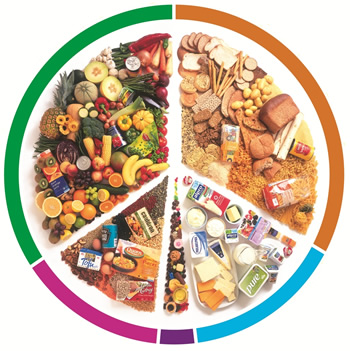
- Carbohydrates which provide energy and vitamins for your brain and muscles. Vegetarians should be sure to eat a variety of whole grains such as whole wheat bread, pasta and tortillas, brown rice, bulgur, and quinoa.
- Fat is needed by your body to stay healthy. Vegetarians should it nuts, oils, and avocados.
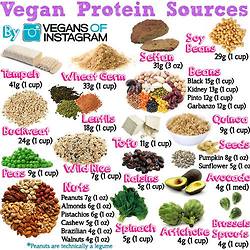
- Protein is needed for your muscles to grow. Vegetarians have to replace meat with high–protein vegetarian foods, such as Nuts, nut butters, soy foods, legumes, dairy, and eggs all provide protein. is important for growth and your immune system.
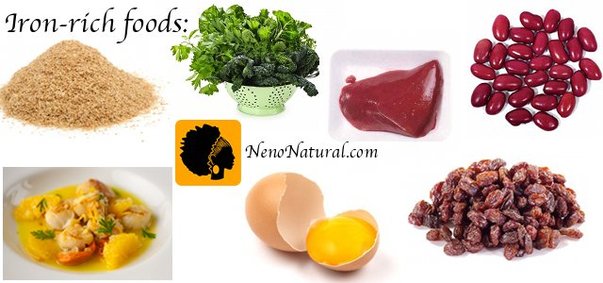
- Iron is important for your blood and is found in beans, seeds, soybeans, tofu, fortified breakfast cereals, dark green leafy vegetables such as spinach, and dried fruit such as apricots, figs, or prunes. Adding vitamin C helps your body to absorb iron, so it’s important to eat foods rich in vitamin C and certain vegetables.
- Calcium is required to build strong bones. Calcium is found in dairy products such as milk, yogurt, and cheese. You can also find plant sources of calcium.
- Vitamin D is needed to absorb the calcium you eat and is necessary for strong bones. You can get vitamin D from the foods you eat, such as fortified dairy or soy milk products, fortified orange juice, egg yolks, or your body can make it from the sun.
- Vitamin B12 is only found in animal foods, so vegans must eat food fortified with B12.
- Omega–3 Fatty Acids are essential fatty acids. If vegetarians don’t eat eggs they must eat walnuts, flaxseeds, canola oil, soybeans, or tofu.
- Iodine is a mineral that helps your body’s metabolism. Plant–based diets can be low in iodine, so vegans should try to use iodized salt in recipes that call for salt. Seaweed is also a good source of iodine.